Having a robust and compliant platform for consumer finance emails requires high deliverability. If your emails aren’t landing in customers’ inboxes, it can create challenges for you and them. With more people choosing email as their preference, it’s time to assess the reasons why emails fail to deliver.
Email Communications in Finance Trending Up
Email has become a key preference for financial consumers. Over 50% prefer to receive communications via email. You’ve likely witnessed increased adoption of email-only customers, reducing your volume of printed and mailed statements and documents. As a result, you can reduce some costs.
However, there is still a considerable amount of complexity in sending transactional emails. That’s because they contain PII (personally identifiable information), which requires advanced security and compliance standards to be part of your email platform.
That’s just the foundation for streamlining consumer finance emails. Other key features should support deliverability.
What Is Email Deliverability?
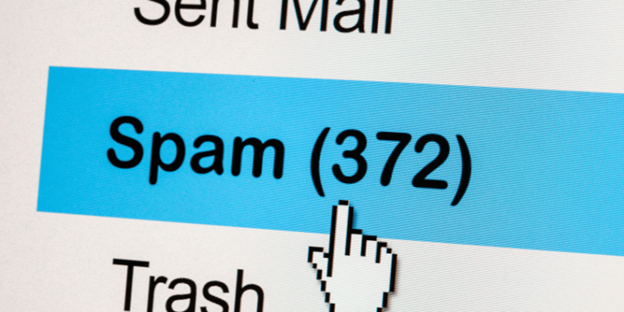
Email deliverability describes the ability of an email to land in a recipient’s primary inbox. It’s a measurement of your success rate of placing there versus being filtered into spam or junk folders.
It’s an essential metric related to consumer financial emails. If these communications don’t achieve deliverability, it can cause delays in receipt. This could then result in more calls to customer service, frustrated customers, and late payments.

What Impacts Email Deliverability?
Several factors play a role in email deliverability. Identifying these as the root cause for emails not hitting the primary inbox enables you to improve it.
Here are the most common reasons for poor email deliverability:
- Sender reputation: It’s kind of like a “credit score” for email sends. It indicates how trustworthy your sending domain and IP address are. It can decrease because of spam complaints, too many bounces, and low engagement rates.
- Authentication: Protocols provide a way to authenticate that emails are coming from a real business and aren’t spoofing or phishing attempts.
- Email content: Filters often automatically filter emails to spam based on content, including subject lines, images, links, and text.
- List hygiene: Maintaining a clean and correct database can also affect deliverability. You want your lists to be accurate to avoid bounces and spam complaints.
- Sending volume and frequency: Large email campaigns sent frequently could be a problem, with receiving email platforms pushing them to spam.
- Compliance: Beyond the regulatory requirements of transactional communication, you must also abide by email rules, such as having a clear way for someone to unsubscribe.
How Do You Address the Primary Causes of Email Deliverability?
Tools and capabilities within a transactional email system involve many ways to boost deliverability.
- Sender certification: Consider this your deliverability insurance policy. It’s a way to decode your most common deliverability issues.
- Reputation monitoring: Track signals that would impact your sender reputation with this function. Once found, you can then address them to keep your reputation intact.
- List validation: Eliminate most bounces with a tool that reviews your email list, looking for any that are dead, wrong, or dangerous.
- Email authentication: Monitor authentication protocols with this feature to protect email deliverability.
The most crucial foundation for improving the deliverability of emails for financial consumers is inbox placement. Inbox placement provides a comprehensive report of all sends, enabling visibility into inbox placement rates. You can also review why email delivery failed so you can address the problems.
Boost Email Deliverability with eDelivery
eDelivery is a proprietary email platform explicitly designed for transactional communications. It includes multiple layers of security and compliance.
In addition to these features, eDelivery also ensures email deliverability with all the solutions described above.
Learn more about how eDelivery works and why so many consumer finance companies choose it!
FAQ
Q: Why is email deliverability so important for consumer finance communications?
A: Email deliverability ensures that important financial communications—like statements, payment reminders, and regulatory notices—reach your customers’ primary inboxes. Poor deliverability can cause delays, missed payments, and increased customer service inquiries, ultimately affecting both compliance and customer satisfaction.
Q: How do compliance and security impact finance email deliverability?
A: Financial emails often contain sensitive PII (Personally Identifiable Information) and are subject to strict regulations (like GLBA, PCI DSS, HIPAA for healthcare finance). Failing to comply can result in emails being blocked, filtered, or flagged as spam by major email service providers. Using a compliant, secure platform not only protects data but also improves deliverability rates.
Q: How can I verify if my emails are landing in the inbox (not spam)?
A: Use inbox placement testing tools provided by advanced email delivery platforms or third-party services. These tools show where your messages land (Inbox, Promotions, Spam) across popular email providers. Comprehensive platforms like PCI Group’s eDelivery solution also offer reporting dashboards and return files so you can track positive/negative delivery actions for every send.
Q: What should I do if a consumer’s email bounces or isn’t delivered?
A: Immediately suppress that email address from future sends and, if the message is required for compliance, switch to a secure physical mail fallback (sometimes called a “waterfall” approach). Make sure your workflow supports automated handling of undelivered emails to ensure compliance and customer communication integrity.
Q: Is there a difference between transactional and marketing email deliverability in finance?
A: Yes. Transactional emails (statements, payment reminders, compliance notices) are subject to stricter regulatory requirements, must be highly secure, and typically have higher deliverability expectations. Marketing emails are more likely to be filtered, and their deliverability depends heavily on reputation, content, and opt-in practices.
Q: Where can I get help with improving finance email deliverability or compliance?
A: Contact PCI Group or a reputable secure communications provider. Look for a partner with deep experience in financial, healthcare, and regulated communications, and who offers both digital and physical delivery options to guarantee compliance and successful customer outreach.